

 See My Latest Article on HelloNation
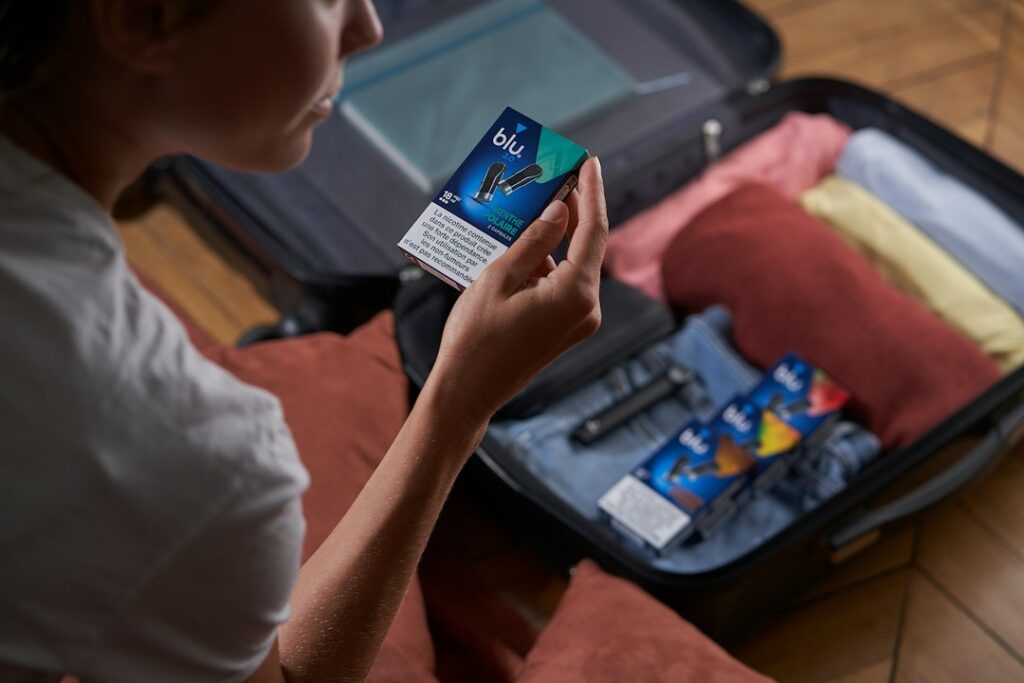
Traveling internationally with medication requires more planning than placing a prescription bottle in a suitcase. For residents of Hobbs, NM, the safest approach is to confirm the destination’s rules, carry enough medicine for the entire trip, and keep medications protected and identifiable from departure through the return home.
Are prescription medicines legal in every country?
No. A medicine that is prescribed or sold legally in the United States may be restricted, require special permission, or be illegal in another country. This can apply to controlled pain medicines, stimulant medications, sleep aids, anxiety medicines, injectable drugs, and some products containing ingredients that are sold over the counter in the United States.
Check the rules for:
- Every country on the itinerary
- Countries where the plane will make a connection
- Any destination where luggage may be inspected during transit
The destination’s embassy or consulate can provide the most specific information about import rules. Some countries limit travelers to a 30-day supply, require a medical certificate, or require advance approval for controlled substances. Do not assume that a prescription label alone satisfies foreign customs requirements.
How should medicines be packed for an international flight?
Keep medications in their original, pharmacy-labeled containers and place them in carry-on luggage. Checked bags can be delayed, lost, exposed to extreme temperatures, or separated from the traveler during an emergency.
Avoid transferring pills into an unlabeled plastic bag or weekly pill organizer before reaching the destination. A pill organizer can be useful after arrival, but customs officials and medical personnel may have difficulty identifying loose tablets or capsules.
A practical carry-on plan includes:
- Enough medication for the full trip
- Several additional days of doses for delays or canceled flights
- Original prescription bottles
- Copies of prescriptions
- A medication list with generic names, strengths, and directions
- A written medical letter when appropriate
- Necessary medical supplies, such as syringes, lancets, inhalers, or testing equipment
Keep the medication accessible rather than buried under clothing or packed in a checked suitcase. For liquids, injectable medicines, and medical devices, review current airport security rules before leaving.
What should a medical letter include?
A medical letter can help explain why a traveler needs a medicine or medical device. It is especially useful for controlled substances, injectable medicines, insulin, epinephrine auto-injectors, needles, syringes, and specialized equipment.
The letter should be dated and identify:
- The traveler’s full name
- The medical condition being treated
- The generic and brand names of medications
- The dose and frequency
- The reason for injectable or needle-containing supplies
- The prescriber’s name and contact information
A letter does not automatically grant permission to bring a restricted medication into another country. It supports the traveler’s explanation, but the destination’s laws still apply.
How much medicine should travelers bring?
Bring enough for the complete itinerary, plus extra for unexpected delays. A short extension of a trip, a missed connection, severe weather, or lost luggage can make a carefully calculated supply insufficient.
Refill timing deserves attention before departure. Some insurance plans limit early refills, so travelers may need to plan several weeks ahead. A medication list should also be left with a trusted person at home, along with copies of prescriptions and relevant medical information.
Do not mail prescription medicine to a foreign destination or carry medication for another person unless the rules clearly allow it. Importing medication for someone else can create legal complications even when the medicine is legitimately prescribed.
What about time-zone changes?
Time-zone changes can affect medicines that must be taken at consistent intervals, including insulin, seizure medicines, blood thinners, steroids, and some heart medicines. The correct schedule depends on the medication and the length and direction of travel.
For some medicines, doses should be spaced according to the time elapsed since the previous dose rather than simply switching to the local clock. Taking an extra dose or skipping one without instructions can be unsafe.

Before leaving, write down the usual dosing schedule and ask the prescribing healthcare professional or pharmacist how to adjust it during travel. Keep the same instructions available for the return trip, since the schedule may need to change again.
How should medicine be protected from heat and cold?
Medication should be stored according to its labeled requirements. Extreme heat can damage medicines, and freezing can harm some liquids, insulin products, and other temperature-sensitive treatments.
This is particularly relevant when leaving a hot, dry area such as Hobbs during warmer months. Do not leave medicine in a parked vehicle, near a window, or in checked luggage exposed to outdoor temperatures. Avoid placing medication directly against ice packs unless the product instructions allow it.
For medicines requiring refrigeration, use an appropriate insulated container and follow the manufacturer’s storage instructions. A portable cooler is not automatically safe if it freezes the medicine or cannot maintain the needed temperature.
Can travelers buy replacement medicine abroad?
Replacing medicine in another country can be difficult. The same medication may have a different name, strength, formulation, or dosing schedule. Some medicines sold without a prescription in the United States may require a prescription elsewhere, while products with similar packaging may contain different ingredients.
Counterfeit or poorly stored medicines are also a concern in some destinations. The safest plan is to bring the full supply from home. If replacement is unavoidable, seek medical guidance locally and keep the original container, prescription, and medication list available. Do not substitute a foreign product based only on a similar name or package appearance.
If tablets or capsules are dispensed loose, ask to see the original packaging and verify the medicine name, strength, expiration date, and instructions. Keep documentation of any replacement medicine received during the trip.
What should travelers do with over-the-counter products?
Over-the-counter does not mean permitted everywhere. Cold medicines containing certain decongestants, sleep products, pain relievers, antidiarrheal products, and herbal supplements may be regulated differently abroad.
Pack only what is needed, keep products in their original containers, and check ingredients before travel. Combination products deserve special attention because one ingredient may be restricted even when the product is commonly used in the United States.
A compact travel health kit may include prescribed medicines, basic first-aid supplies, oral rehydration products, motion-sickness medicine, allergy medicine, and any personal items that could be difficult to replace. The contents should reflect the traveler’s health needs and the activities planned.
What information should stay with the traveler?
Keep essential health information in a wallet, phone, or secure travel document. Include:
- Medication names and doses
- Allergies and serious medical conditions
- Emergency contact information
- Prescriber information
- Health insurance details
- Copies of prescriptions
- Medical device instructions
- A note about language needs, if relevant
A medical alert bracelet or similar identification can be useful for conditions such as diabetes, severe allergies, epilepsy, or blood-thinning therapy.
Before departure, review airport security requirements, destination medication laws, storage needs, and the plan for missed doses. Careful preparation reduces the chance that a delayed suitcase, unfamiliar drug name, or customs question will interrupt necessary treatment.