

 See My Latest Article on HelloNation
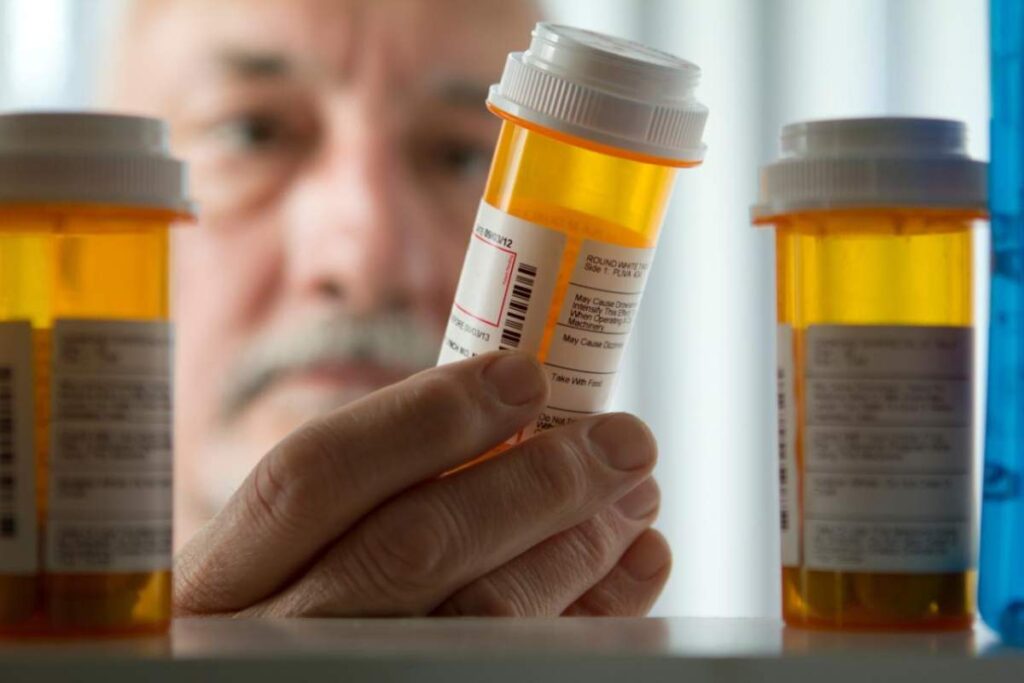
Some medications can make skin react more strongly to ultraviolet light, causing a severe sunburn, rash, blistering, or unusual skin darkening. This reaction is called drug-induced photosensitivity. It can happen with prescription medicines, over-the-counter products, topical treatments, and some herbal products.
Most people taking a photosensitizing medication do not need to stay indoors completely. They do need stronger sun protection and, in some cases, specific instructions from a pharmacist or prescriber. Medication should not be stopped suddenly unless a qualified healthcare professional advises it.
Which medications commonly increase sensitivity to sunlight?
The medication groups most often associated with sun sensitivity include certain antibiotics, water pills, anti-inflammatory drugs, acne medicines, heart medicines, and diabetes treatments.
Examples include:
- Antibiotics: doxycycline, tetracycline, ciprofloxacin, levofloxacin, ofloxacin, and trimethoprim-containing medicines
- Diuretics, or water pills: hydrochlorothiazide, chlorthalidone, chlorothiazide, furosemide, and triamterene
- Anti-inflammatory pain relievers: naproxen, ibuprofen, ketoprofen, piroxicam, celecoxib, and diclofenac
- Acne and psoriasis medicines: isotretinoin, acitretin, topical retinoids, and psoralen medicines
- Heart rhythm and cardiovascular medicines: amiodarone, diltiazem, and quinidine
- Cholesterol medicines: atorvastatin, simvastatin, lovastatin, and pravastatin
- Diabetes medicines: glipizide, glyburide, and some sulfonylurea medications
- Antifungal medicines: griseofulvin, itraconazole, ketoconazole, and voriconazole
- Some allergy and psychiatric medicines: promethazine, chlorpromazine, and related phenothiazines
- Sulfonamide medicines: sulfamethoxazole, sulfadiazine, sulfasalazine, and similar drugs
This is not a complete list, and the risk can vary by dose, formulation, treatment length, and individual response. A medication label may use terms such as “photosensitivity,” “increased sensitivity to sunlight,” or “avoid excessive sunlight.”
What does a sun reaction from medicine look like?
A photosensitivity reaction often affects areas that receive the most light, including the face, ears, neck, forearms, backs of the hands, and lower legs. The skin may look sharply different from areas protected by clothing.
Possible symptoms include:
- Burning or stinging that seems stronger than expected
- Redness resembling an intense sunburn
- Itching, warmth, or tenderness
- A rash, scaling, or small bumps
- Blisters or swelling
- Darkened patches after the redness fades
- An eczema-like rash that may appear a day or two after exposure
A reaction may develop within a few hours of sunlight, especially with phototoxic medicines. Other reactions can be delayed for one to three days and may spread beyond the areas directly exposed to sunlight.
Is sunlight the only concern?
No. Ultraviolet exposure can also come from tanning beds and some artificial sources. Sunlight may reach the skin through vehicle windows, home windows, or a shaded patio, although the amount of ultraviolet exposure varies.
Cloud cover does not eliminate the risk. In Hobbs, NM, bright conditions, low humidity, and long periods spent outdoors can make sun protection especially relevant during warmer months. Outdoor chores, walking, sports, gardening, and time in a vehicle may all add up to significant exposure.
Reflected light from pale surfaces can also increase exposure. Water, light-colored ground, and other bright materials may reflect ultraviolet rays toward uncovered skin.
Do these medications mean sunlight must be avoided completely?
Usually, no. “Photosensitizing” does not automatically mean that a person must avoid all daylight. It means the medication may lower the amount of ultraviolet exposure needed to cause a reaction.
Practical precautions include:
- Use a broad-spectrum sunscreen with SPF 30 or higher on uncovered skin.
- Apply sunscreen generously and reapply after sweating, swimming, or toweling off.
- Wear a wide-brimmed hat, sunglasses, long sleeves, and lightweight long pants.
- Seek shade during the strongest midday hours, often from late morning through mid-afternoon.
- Avoid tanning beds and intentional tanning.
- Be especially careful during the first several days after starting a new medication or increasing a dose.
- Keep protective clothing and sunscreen available in vehicles, work areas, and outdoor bags.

Sunscreen protects exposed areas, but it does not replace clothing and shade. Some people with sensitive skin may also react to a sunscreen ingredient, fragrance, or cosmetic product. If a new rash begins after applying a product, stop using that product and ask a pharmacist or healthcare professional whether another option is appropriate.
What should someone do if a reaction develops?
Move out of direct sunlight and cover the affected skin. Do not take an extra dose, skip future doses, or discontinue a long-term medicine without individualized advice unless emergency symptoms are present.
For a mild reaction, a cool compress and gentle, fragrance-free skin care may reduce discomfort. A pharmacist can help determine whether an over-the-counter product is appropriate and whether the medication is a likely cause.
Prompt medical evaluation is appropriate for:
- Blistering, peeling, or extensive redness
- Severe pain, swelling, or rapidly worsening symptoms
- Rash involving the eyes, mouth, or genitals
- Fever, facial swelling, trouble breathing, or widespread hives
- Skin that appears infected, including increasing warmth, pus, or red streaks
- A reaction after taking a new medication that seems unusually severe
A serious rash is not always simple sunburn. Rare but dangerous medication reactions can begin with skin changes and require urgent care.
Can a person prevent the reaction by taking the medicine at night?
Not reliably. Timing may affect exposure for a few short-acting medicines, but many drugs remain in the body for hours or days. Changing the schedule without instructions may reduce treatment effectiveness or cause other problems.
The safer approach is to follow the prescribed schedule and reduce ultraviolet exposure. A prescriber may sometimes adjust a dose or select another medication, but that decision depends on the condition being treated and the available alternatives.
What about over-the-counter medicines and skin products?
Photosensitivity is not limited to prescriptions. Common pain relievers, antihistamines, topical retinoids, exfoliating alpha-hydroxy acids, and certain medicated creams may contribute to sun sensitivity in some people.
Read the Drug Facts label and medication guide, especially when combining several products. A person taking a water pill, an antibiotic, and an over-the-counter anti-inflammatory medicine may have more than one possible source of sun sensitivity.
Keep a current list of prescription medicines, over-the-counter products, vitamins, and supplements. When starting a new medication, ask whether it changes sun sensitivity, whether special precautions are needed, and how long those precautions should continue after the last dose. For some medicines, sensitivity may persist for a period after treatment ends.