

 See My Latest Article on HelloNation
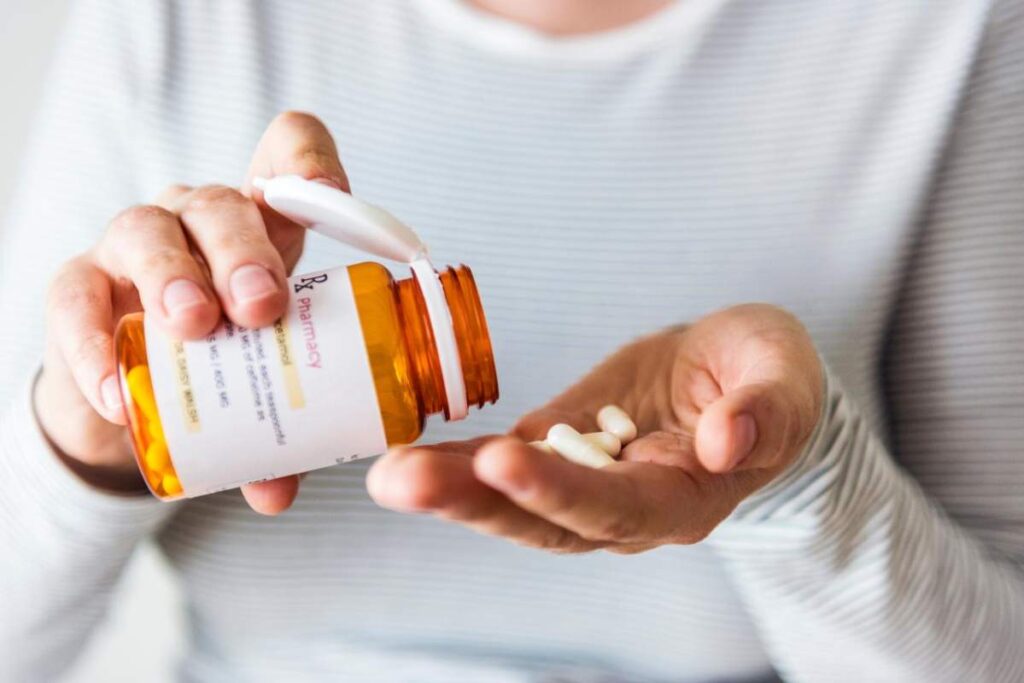
Why Is Safe Medication Storage Challenging in Hobbs, NM?
Residents of Hobbs, NM face unique challenges with medication storage due to high summer temperatures, frequent sunlight, and periods of humidity—both indoors and outdoors. Specific steps are needed to protect medications from becoming less effective or even unsafe.
Most prescription and over-the-counter medications are sensitive to temperature changes and high moisture. Exposure to extreme conditions can affect how well medicines control your health. Many households, especially those using evaporative coolers or with limited air conditioning, may not notice how quickly indoor spaces heat up or become damp.
What Can Happen If Medications Get Too Hot or Humid?
If medications are exposed to excessive heat or humidity, their chemical structure may change. This could make them weaker, cause them to work unpredictably, or even spoil. Some signs that medications are damaged include changes in color, texture, or smell, and even pills sticking together or crumbling.
- Certain antibiotics, insulin, and thyroid medications are especially sensitive.
- Liquid medications and some eye drops can spoil or grow bacteria if stored incorrectly.
- Some inhalers or pre-filled injectors may lose their pressure or potency in the heat.
Never use medication that looks or smells odd—replacing it is safer than risking a problem.
Where Should Medications Be Stored in Area Homes?
The ideal storage site is cool, dry, and away from direct sunlight, which can be a challenge for many local households during summer heat waves.
Better alternatives than the bathroom or kitchen:
- Bedrooms or closets typically stay cooler and drier, especially if air-conditioned.
- Use high shelves in living areas, away from windows.
- Boxes, bins, or organizers inside closed cabinets can limit temperature swings.
Avoid:
- Window sills (heat and sun exposure)
- Car interiors (temperatures can quickly exceed 120°F)
- Bathroom medicine cabinets (steam and heat from showers)
- Utility rooms, garages, or storage sheds (uncontrolled environments)
Many residents are surprised to learn the kitchen is risky due to frequent cooking steam and fluctuating temperatures, not just for food but for vitamins and supplements as well.
How Hot Does It Get in Local Homes and Cars?
In Hobbs, indoor spaces without robust air conditioning can reach 80–90°F or higher, especially in rooms facing the sun or lacking shade. Closed vehicles—even for short periods—can soar to life-threatening temperatures. Storing any medication, especially insulin or liquid suspensions, in a glove compartment or trunk should be avoided.
Community observations show that medications left out in cars after errands or day trips are a common source of spoilage. Even a brief stop in summer can be enough to ruin sensitive medicines.
What About Humidity From Evaporative Coolers or Summer Storms?
Swamp coolers, popular throughout the area, add significant humidity to homes in order to cool them. While effective against dry heat, this moisture can accelerate medication breakdown. Homes also experience humidity spikes during monsoon storms, especially when windows are left open for airflow.
To counter this:
- Store medicines in a sealed plastic container on a shelf, not inside a steamy bathroom.
- If using an evaporative cooler, select storage spots away from direct airflow.
- Watch for signs of condensation on medicine bottles or inside pill containers—these indicate elevated risk.
- For households running both swamp coolers and air conditioning, maintain medications in the most consistently dry section of the house.
Should Medications Ever Be Refrigerated Locally?
Refrigeration is only appropriate for medications labeled "refrigerate" or “store at 36–46°F.” Many tablets and capsules actually degrade faster if chilled, especially if moisture condenses inside the bottle after opening the fridge.
Insulin and specific liquid antibiotics are common exceptions. If you must travel, insulated pouches (with a frozen gel pack, never direct ice) can help keep these medications stable, but avoid placing them against direct freezer packs as freezing can also damage them.
How Can Residents Tell If Medication Storage Has Gone Wrong?
Warning signs of improper storage may include:

- Pills appearing softer, sticky, or unusually hard
- Capsules cracking or leaking powder
- Liquids that appear cloudy or separated, or have a bad smell
- Odd or faded labeling from heat or sunlight
When in doubt, err on the side of caution—do not use medicine that seems different from when it was dispensed, even if the expiration date has not passed.
Are There Special Steps for Medication Safety During Power Outages?
Power outages during summer storms in Hobbs can affect air conditioning and refrigeration. For most pills, short periods of heat (under 24 hours) are not likely to cause problems if kept dry and away from sun or heat sources.
If the power returns quickly, do not move most medications into the fridge unless required. For refrigerated medicines, use a cooler with ice packs and avoid opening it frequently until electricity is restored. Be especially cautious if outages last more than a day; verify medicine integrity before using.
Are Children or Pets at Greater Risk in Local Households?
Accessible medications—especially when stored on countertops or in purses during errands—pose dangers in homes with children or pets. During summer, purses, glove compartments, and unlocked drawers can become hazards.
Safe storage options include:
- High shelves out of reach of children
- Lockable medication boxes or cabinets
- Keeping track of where medicines are placed after any travel or busy days
What Should Residents Do During Local Travel or Outdoor Activities?
Day trips, sports camps, and work shifts can mean carrying medicines outside during peak heat. Simple, effective precautions include:
- Using portable insulated bags with cooling packs
- Keeping medications out of direct sunlight (e.g., stowed inside a backpack instead of on a picnic table)
- Never leaving temperature-sensitive medications in parked cars
Being alert to the local climate and planning ahead prevents last-minute mishaps.
—
Adjusting storage habits for medications can protect your health and peace of mind, especially during the hottest and most humid times of year. Area residents benefit from knowing how their environment interacts with medicines—a little preparation helps keep every dose safe and effective.